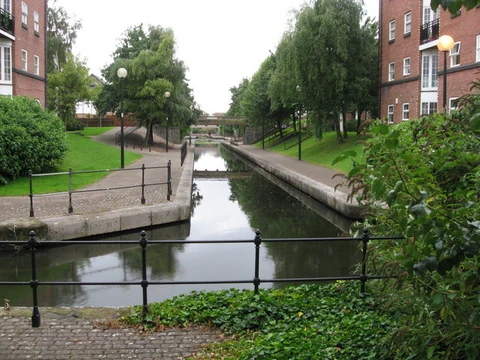
New York State Canal System
A historic New York canal network now used for recreation.

- cost
- $96.7 million
- current_depth
- 12 feet (3.7 m)
Lore & Background
The new route utilized rivers such as the Mohawk, Oswego, Seneca, Genesee, and Clyde, bypassing some major cities like Syracuse and Rochester, though in western New York it often followed the enlarged channel of the original Erie Canal. Since the 1970s, the state ceased modernizing the system due to the shift to truck transport, and the canal is now preserved mainly for historical and recreational purposes. Very few commercial vessels use it today; it is primarily used by private pleasure boats and also serves flood control. The system has 57 electrically operated locks, is open generally from May 1 through November 15, and requires a fee for motorized craft to traverse locks and lift bridges.
Reader's Guide
The New York State Canal System represents a significant evolution in American transportation infrastructure, transitioning from a major commercial artery to a recreational and historical resource. Its construction in the early 20th century modernized earlier canals by incorporating natural waterways, which reduced costs and bypassed some urban centers. However, its decline in commercial use after the 1970s reflects broader shifts in freight transport toward trucking. The canal system remains a vital piece of New York's heritage and a managed waterway for diverse uses.
More in Canals And Waterways 1-24
Elsewhere in the Canals And Waterways universe
Spotted an error? Know more?
This is a living reference — every entry is fact-audited, and reader corrections feed straight into our audit queue. Suggest an edit · See this site's audit record