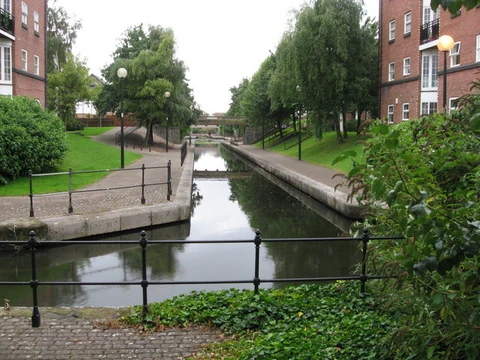
Ghent–Terneuzen Canal
Canal linking Ghent, Belgium, to Terneuzen, Netherlands.

via Wikipedia: Terneuzen · see source
The Ghent–Terneuzen Canal is an important shipping route connecting the Port of Ghent. The port of Terneuzen is the third-largest in the Netherlands, after those of Rotterdam and Amsterdam. The largest plant of Dow Chemical Company outside of the United States is located at Terneuzen, on the west side of the Ghent–Terneuzen Canal.
- width
- 68 metres at the surface
Verified Timeline
Lore & Background
The Ghent–Terneuzen Canal is still an important shipping route connecting the Port of Ghent. The port of Terneuzen is the third-largest in the Netherlands, after those of Rotterdam and Amsterdam. The largest plant of Dow Chemical Company outside of the United States is located at Terneuzen, on the west side of the Ghent–Terneuzen Canal.
Reader's Guide
The Ghent–Terneuzen Canal is an important shipping route connecting the Port of Ghent. The port of Terneuzen is the third-largest in the Netherlands, after those of Rotterdam and Amsterdam. The largest plant of Dow Chemical Company outside of the United States is located at Terneuzen, on the west side of the Ghent–Terneuzen Canal.
Did You Know?
- The port of Terneuzen is the third-largest in the Netherlands, after those of Rotterdam and Amsterdam.
- The largest plant of Dow Chemical Company outside of the United States is located at Terneuzen.
- Terneuzen's passenger rail service was withdrawn in 1951.
- The Western Scheldt Tunnel, which connects Terneuzen to the rest of the Netherlands, opened in March 2003.
- Before 1877, the city was often called Neuzen.
Strategic Waterways & Historical Roots
Terneuzen was a strategically located port on the waterways to Ghent, in present-day Belgium. First mentioned in 1325, it received city rights in 1584. The city of Terneuzen is located on the southern shore of the Western Scheldt estuary. The Ghent–Terneuzen Canal is still an important shipping route connecting the Port of Ghent.
Industrial Heart of the Canal
The Ghent–Terneuzen Canal is still an important shipping route connecting the Port of Ghent. The port of Terneuzen is the third-largest in the Netherlands, after those of Rotterdam and Amsterdam. The largest plant of Dow Chemical Company outside of the United States is located at Terneuzen, on the west side of the Ghent–Terneuzen Canal.
Connectivity & Transport Challenges
Terneuzen can be reached from the rest of the Netherlands via the Western Scheldt Tunnel, which opened in March 2003. Terneuzen is not linked to the rest of the Netherlands by rail, although the Dow Chemical plant is served by a freight-only line to Ghent in Belgium (Terneuzen's passenger rail service was withdrawn in 1951).
The Municipality at the Canal's Edge
Terneuzen is a city and municipality in the southwestern Netherlands, in the province of Zeeland, in the middle of Zeelandic Flanders. With almost 55,000 inhabitants, it is the most populous municipality of Zeeland. Before 1877, the city was often called Neuzen. The municipality of Terneuzen consists of the following population centres.
Frequently Asked Questions
What is the Ghent–Terneuzen Canal?
It is a navigable waterway that links the Belgian city of Ghent to the Dutch port of Terneuzen on the Scheldt Estuary. Locals and mariners often call it the Zeekanaal, or 'Sea Canal,' because it provides a direct route to open water.
Who was behind building the Ghent–Terneuzen Canal?
The project was initiated by the Dutch King and constructed between 1823 and 1827. Its purpose was to give Ghent a more reliable and efficient connection to the sea for trade and industry.
How wide is the Ghent–Terneuzen Canal at the surface?
The canal measures 68 metres across at water level. That width was not the original dimension; the channel has been widened in successive phases to keep up with ever-larger commercial vessels.
Why does the Ghent–Terneuzen Canal matter to shipping?
It is the principal maritime artery out of Ghent, turning the inland city into a functioning seaport by connecting it straight to the Westerschelde. Without it, Ghent's industrial output would lack a practical route to international shipping lanes.
Has the canal been modified since its 1827 opening?
Yes, it has gone through multiple rounds of enlargement over the following two centuries. Each upgrade was driven by the need to accommodate bigger draft, wider beams, and heavier tonnage as global shipping standards grew.
More in Canals And Waterways 1-24
Elsewhere in the Canals And Waterways universe
Spotted an error? Know more?
This is a living reference — every entry is fact-audited, and reader corrections feed straight into our audit queue. Suggest an edit · See this site's audit record