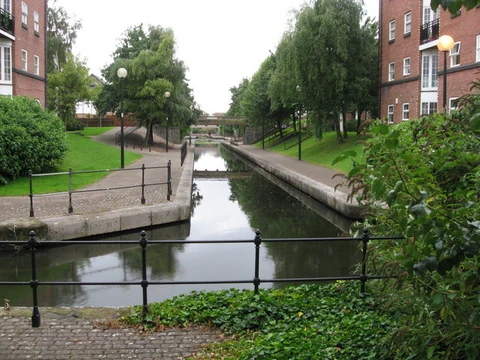
Karakum Canal
A 1300 km canal that irrigates a substantial part of Turkmenistan.

via Wikipedia: Main Turkmen Canal · see source
The Karakum Canal (also known as the Qaraqum Canal) is a large irrigation canal in Turkmenistan. Construction began in 1954, following the abandonment of the Main Turkmen Canal project after the death of Joseph Stalin in 1953. The canal stretches 1300 km and irrigates a substantial part of Turkmenistan, remaining the most important canal in the country. Its construction drained the Amu Darya river, enabling huge areas to be opened for cotton production, but also resulted in the destruction of native riparian tugay forests and greatly diminished the inflow of water to the Aral Sea, causing great ecological catastrophe.
- started
- 1954
- length
- 1300 km
- source_river
- Amu Darya
- country
- Turkmenistan
- primary_use
- irrigation
Verified Timeline
Lore & Background
The Karakum Canal was built after the Main Turkmen Canal, a large-scale irrigation project intended to transport water from the Amu Darya to Krasnovodsk, was abandoned less than a month after the death of Joseph Stalin in 1953. That earlier project had begun in September 1950, with construction based in Urgench and a workforce estimated at 10,000, more than half of whom were prisoners. High-placed government officials realized such costly projects had little economic use and that the forced labour system was unsustainable. In 1954, construction of the Qaraqum Canal began along a route far to the south. It stretches 1300 km and irrigates a substantial part of Turkmenistan, and remains the most important canal in Turkmenistan. Construction of the Qaraqum Canal drained the Amu Darya river and therefore enabled huge areas to be opened for cotton production. Nevertheless, it also resulted in the destruction of the native riparian tugay forests, and greatly diminished the inflow of water to the Aral Sea, which caused great ecological catastrophe.
Reader's Guide
The Karakum Canal is a 1300 km canal that irrigates a substantial part of Turkmenistan. Construction began in 1954, after the abandonment of the Main Turkmen Canal project following Stalin's death. The canal drains the Amu Darya river, enabling huge areas to be opened for cotton production. However, this has resulted in the destruction of native riparian tugay forests and greatly diminished inflow to the Aral Sea, causing great ecological catastrophe. The canal remains the most important canal in Turkmenistan. Its construction contrasts with the earlier Main Turkmen Canal, which was intended to transport water from the Amu Darya to Krasnovodsk using the course of the ancient dry Uzboy River bed, and which was abandoned due to its high cost and reliance on forced labour.
Did You Know?
- Construction of the Karakum Canal began in 1954, less than a year after the Main Turkmen Canal was abandoned following Stalin's death.
- The canal stretches 1300 km and is the most important canal in Turkmenistan.
- The canal's construction drained the Amu Darya river, enabling huge areas to be opened for cotton production.
- The canal greatly diminished the inflow of water to the Aral Sea, causing great ecological catastrophe.
- The canal also resulted in the destruction of native riparian tugay forests.
Frequently Asked Questions
What is the Karakum Canal?
It is one of the largest irrigation and water-supply canals on Earth, running across the Karakum Desert in Turkmenistan. The name is also rendered Qaraqum, Kara Kum, or Garagum in various sources.
How long is the Karakum Canal and where does its water come from?
The canal stretches 1,375 kilometres (about 854 miles) and draws its flow from the Amu-Darya River. It moves roughly 13 cubic kilometres of water per year across the desert.
What is the Karakum Canal used for?
Its primary roles are to irrigate previously barren desert land for agriculture and to deliver drinking water to Ashgabat, Turkmenistan's capital. Without it, large swaths of the Karakum region would remain unsuitable for farming or settlement.
What environmental problem is the Karakum Canal linked to?
By diverting such a massive volume of Amu-Darya water, the canal is widely cited as a major contributor to the dramatic shrinkage of the Aral Sea. The ecological fallout from that diversion is one of the most discussed consequences in waterway history.
When was the Karakum Canal built?
Construction began in 1954 and was completed in 1958, meaning the entire project was finished within just four years. It stands as a landmark of mid-Cold War-era large-scale water engineering.
More in Canals And Waterways 1-24
Elsewhere in the Canals And Waterways universe
Spotted an error? Know more?
This is a living reference — every entry is fact-audited, and reader corrections feed straight into our audit queue. Suggest an edit · See this site's audit record