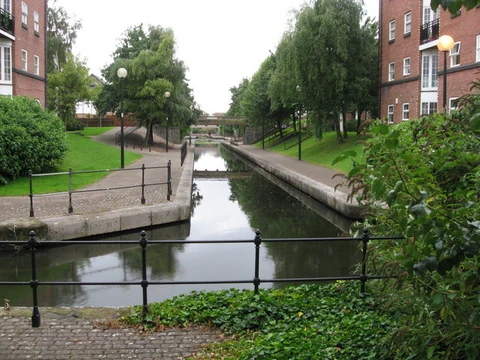
Saimaa
Largest lake in Finland, fifth-largest in Europe.

Saimaa is a lake located in the Finnish Lakeland area in southeastern Finland.
- location
- Southeastern Finland
- type
- Natural freshwater lake
- major_basins
- Orivesi, Puruvesi, Haukivesi, Yövesi, Pihlajavesi, Pyhäselkä
- outflow
- Vuoksi River to Lake Ladoga
- endangered_species
- Saimaa ringed seal, Saimaa salmon
Lore & Background
The lake was formed by glacial melting at the end of the Ice Age. The region saw a population maximum in the decades following, only to later return to ecological development towards old boreal conifer forests with a decline in population. The name Saimaa likely comes from a non-Uralic, non-Indo-European substrate language, though it has been proposed that it may be connected to the Sami word sápmi. Major towns on the lakeshore include Lappeenranta, Imatra, Savonlinna, Mikkeli, Varkaus, and Joensuu. The Saimaa Canal, 42.9 km long, connects the lake to the Gulf of Finland, with more than half (about 54%) running through land leased from Russia.
Reader's Guide
Saimaa is significant as Finland's largest lake and a key feature of the Finnish Lakeland. Its shores are the most probable origin of asbestos-ceramic pottery made between c. In recent years, extreme heat waves in Europe have made Saimaa a highlighted destination for 'coolcation' travel, noted by National Geographic and El Mundo. The lake's waterways are used for transporting wood, minerals, metals, pulp, and other cargo, as well as for tourism.
Did You Know?
- Saimaa is the fifth-largest natural freshwater lake in Europe.
- The lake is the only habitat of the endangered Saimaa ringed seal.
- The Saimaa Canal connects the lake to the Gulf of Finland, with more than half (about 54%) running through land leased from Russia.
Engineering & Infrastructure
The Saimaa Canal stretches 42.9 kilometres from Lauritsala near Lappeenranta in Finland to Vyborg on the Russian shore of the Gulf of Finland. Its most striking engineering feature is the system of eight locks that collectively raise vessels by roughly 76 metres — the upper three sit on the Finnish side while the lower five are Russian. Mälkiä Lock handles the greatest single lift at 12.4 metres, whereas Tsvetochnoye manages just 5.5. The waterway itself ranges from 34 to 55 metres in width, and ships transiting it must conform to the "Saimax" specification: no longer than 82.5 metres, no wider than 12.6, with a maximum draft of 4.35 metres and a mast height capped at 24.5 metres. Trading vessels are also required to carry two VHF radios and an automatic identification system. Overhead, twelve motor-vehicle bridges (six on each side of the border, a mix of movable and fixed) and two immovable railroad bridges span the channel.
The Waterway Network
Beyond its own 42.9-kilometre length, the Saimaa Canal serves as the gateway to one of Finland's most extensive inland waterway systems. The canal's route itself threads through Lake Nuijamaa on the Finnish-Russian border and three smaller lakes on the Russian side before emptying into the Vyborg Bay. The waterway is not, however, a year-round passage: it closes for the winter months, a seasonal constraint that shapes the shipping calendar for every operator relying on this link between the Baltic Sea and Finland's vast lake country.
A Canal Divided by Borders
The canal's political history is as layered as its engineering. The annual rent rose only once during that entire lease period. Jurisdictionally, Finnish law governs maritime rules and canal staffing, while Russian law applies to everything else; travellers need passports at the border but no Russian visa for a simple transit.
Navigating Uncertainty
The Saimaa Canal has long been a symbol of pragmatic cooperation between Finland and Russia, yet its future has grown increasingly uncertain. However, the practical reality has been far less encouraging: many insurance companies have declined to underwrite ships and cargo transiting the canal, a move that has significantly eroded the route's commercial importance. For a waterway that once carried goods from the Gulf of Finland deep into Finland's lake country, the loss of insurability represents a quiet but profound shift.
Frequently Asked Questions
What is Saimaa?
Saimaa is a natural freshwater lake situated in the Lakeland region of southeastern Finland. It is the largest lake in the country and ranks as the fifth-largest natural freshwater lake in Europe.
Where exactly is Saimaa located?
Saimaa sits in the Lakeland area of southeastern Finland, nestled among the country's dense forests and smaller water bodies. It forms a central part of Finland's inland waterway network.
What endangered species are unique to Saimaa?
The Saimaa ringed seal and the Saimaa salmon are two endangered species found only in this lake. Because both exist nowhere else on Earth, Saimaa serves as their sole global habitat.
How does water leave Saimaa?
The lake drains via the Vuoksi River, which channels its outflow into Lake Ladoga. This connection links Saimaa to one of the largest lake systems in Europe.
More in Canals And Waterways 25-36
Elsewhere in the Canals And Waterways universe
Spotted an error? Know more?
This is a living reference — every entry is fact-audited, and reader corrections feed straight into our audit queue. Suggest an edit · See this site's audit record